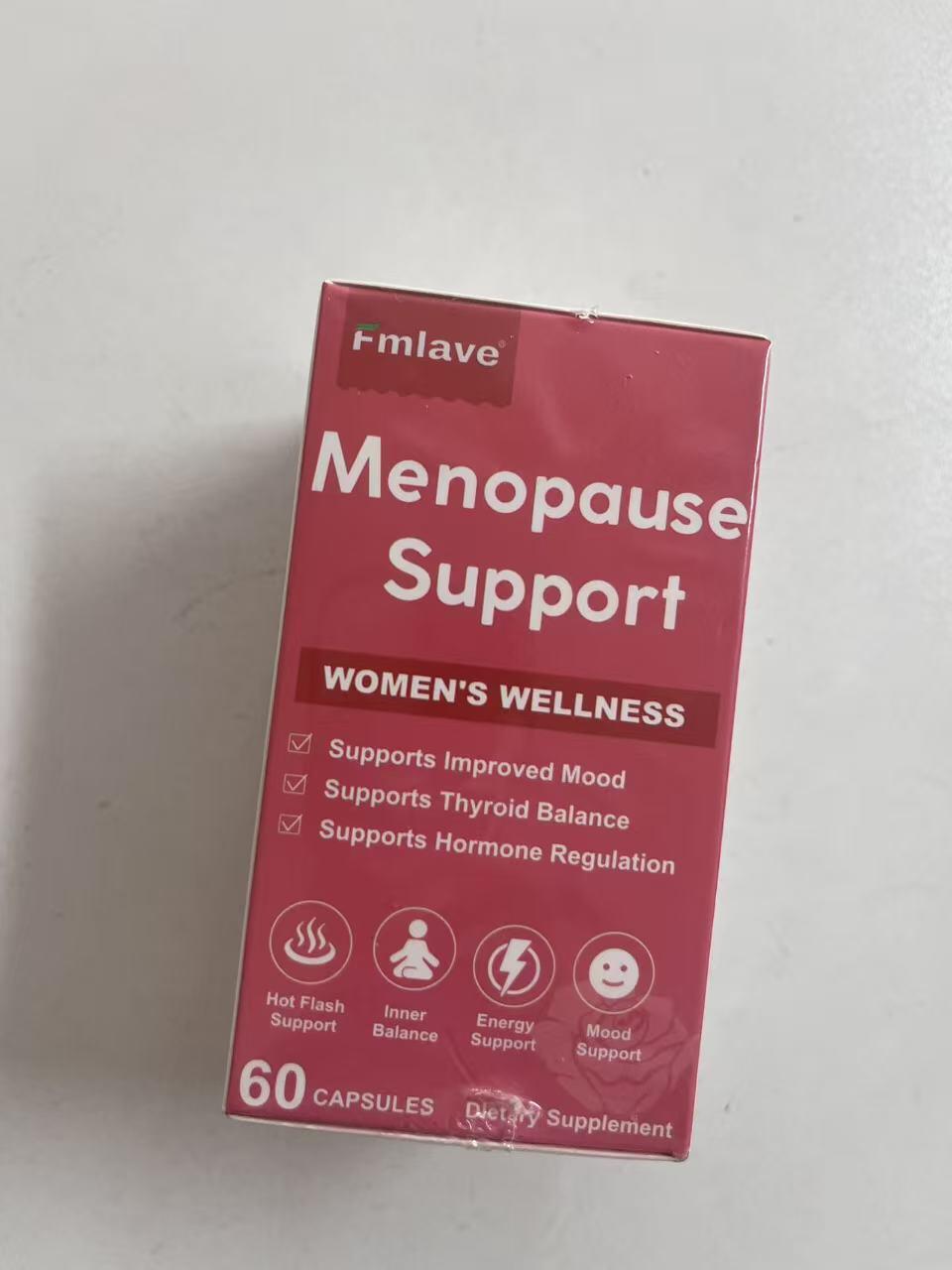
For temperature comfort and a steadier bedtime routine
A daily blend of botanicals plus key nutrients designed to support temperature comfort and a relaxed nighttime routine during the transition.

Día de San Valentín: envío gratuito a EE. UU.
No se pudo cargar la disponibilidad de retiro

Fmlave Menopause Support es una mezcla diaria de vitaminas y plantas para mujeres que desean días y noches más estables durante la transición menopáusica. Cada porción de 2 cápsulas combina vitamina D3, riboflavina (B2), vitamina B6, citrato de magnesio y un complejo herbal específico para mujeres con dong quai, extracto de melisa, sauzgatillo, isoflavonas de soja y raíz de cimicífuga.
Diseñado para el uso diario, ayuda a mantener una temperatura confortable, despertares nocturnos ocasionales, un estado de ánimo tranquilo y una respuesta equilibrada al estrés, para que su rutina se sienta más estable durante todo el mes.
Piense en ello como una base simple para el bienestar de la mediana edad que también favorece la salud ósea y neuromuscular (a través de D3 + magnesio), además del bienestar general con ingredientes botánicos elegidos para la comodidad diaria de las mujeres.
†Estas declaraciones no han sido evaluadas por la Administración de Alimentos y Medicamentos (FDA). Este producto no está destinado a diagnosticar, tratar, curar ni prevenir ninguna enfermedad.
Enviamos los pedidos con la mayor rapidez y fiabilidad posible. La mayoría se procesan el mismo día o el siguiente día laborable. Las tarifas se calculan al finalizar la compra y el seguimiento se envía por correo electrónico una vez enviado el pedido (si está disponible). El envío a EE. UU. suele tardar entre 6 y 7 días (el tiempo estimado de entrega puede variar).
La mayoría de los artículos nuevos sin abrir se pueden devolver dentro de los 15 días posteriores a la entrega con una RMA; el envío de devolución lo paga el cliente a menos que sea un error nuestro, y los reembolsos se emiten al método de pago original (los suplementos abiertos/sin sellar no son elegibles).
Para obtener detalles completos, revise nuestra Política de envío y Política de devolución y reembolso .
A daily blend of botanicals plus key nutrients designed to support temperature comfort and a relaxed nighttime routine during the transition.

B vitamins and magnesium support nervous system function, while botanicals help support a balanced stress response for a more even, calm day.

Magnesium and B vitamins support normal energy metabolism and muscle function, paired with botanicals selected for daily comfort and overall well-being.

Made for consistent daily use as a simple wellness base—supporting comfort, mood steadiness, and nighttime routine without “quick-fix” positioning.
Se renueva automáticamente, omite o cancela en cualquier momento.